Jewelry Packaging Size Guide
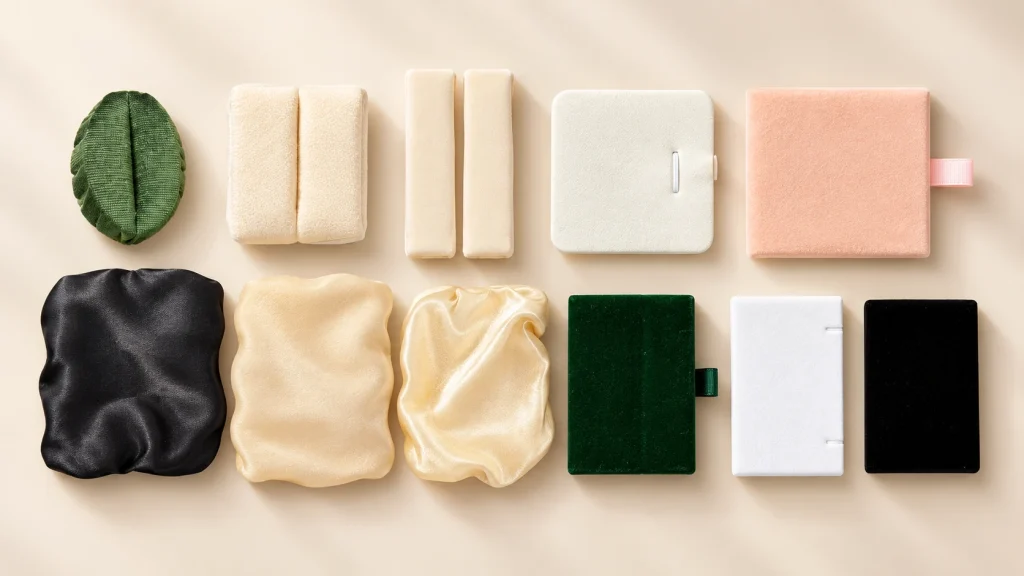
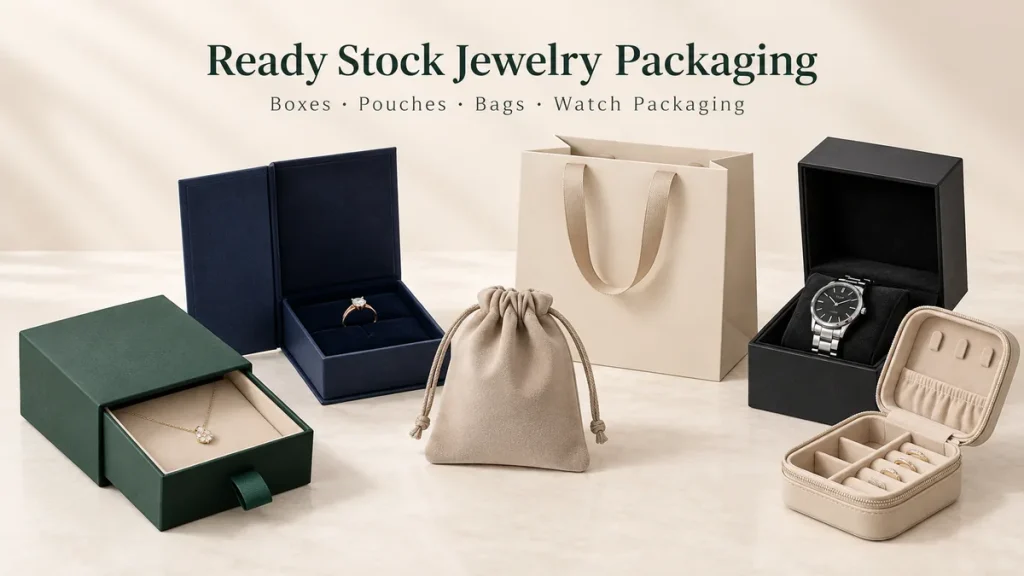
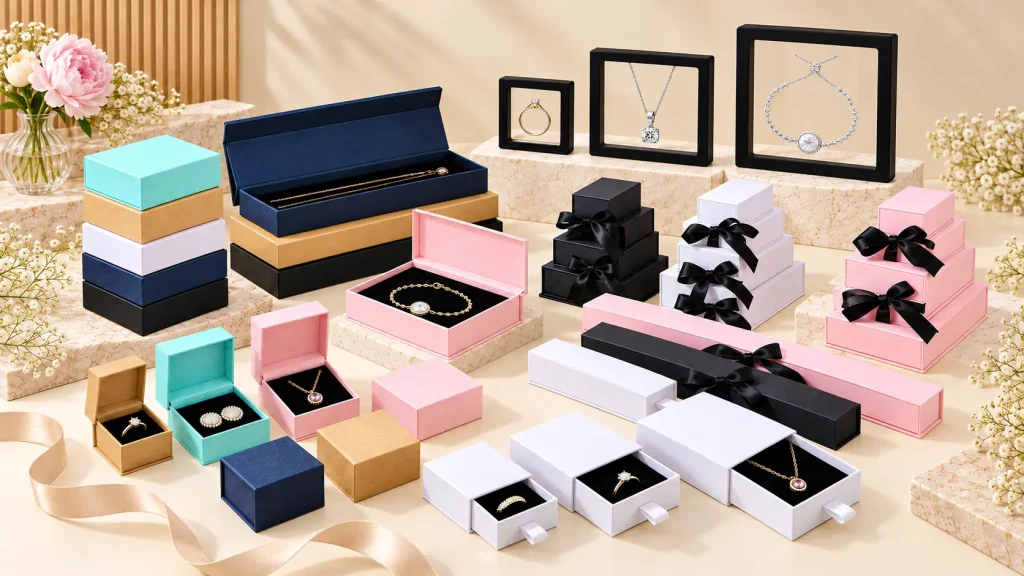
Choosing the right jewelry packaging size is about more than fitting the product inside a box. Box dimensions affect jewelry presentation, insert design, product protection, shipping volume and overall packaging cost. For jewelry brands and retailers, a practical size guide can make early purchasing decisions easier. The dimensions below are common reference sizes rather than fixed industry standards, because the final box size should always be confirmed according to the jewelry dimensions, insert thickness and packaging structure. Jewelry Packaging Size Reference Table The following dimensions can be used as a practical starting point when planning packaging for rings, earrings, pendants, necklaces, bracelets and jewelry sets. Jewelry Type Reference Box Size Typical Application Key Consideration Ring / Earrings 5 × 5 × 3.5 cm Rings, studs, small earrings Compact size with enough depth for foam or velvet inserts Pendant 7 × 7 × 3.5 cm Pendants, small necklaces, earrings Allows more display space around the jewelry Necklace / Bracelet 7 × 9 × 3 cm Necklaces, bracelets, longer earrings Rectangular format provides more space for chain control Jewelry Set 9 × 9 × 3 cm Ring and earring sets, necklace sets, coordinated jewelry Provides enough display area for multi-position inserts Important: These dimensions are purchasing references, not universal standards. Jewelry size, insert structure, lid clearance and box construction should all be checked before final production. Ring and Earring Box Size Reference Size: 5 × 5 × 3.5 cm Compact square boxes are commonly used for rings, stud earrings and other small jewelry items. A size around 5 × 5 × 3.5 cm provides enough internal space for a foam, velvet or microfiber insert while keeping the outer package relatively small. The internal height is especially important for rings with raised stones. If the ring setting is high, additional clearance may be required between the jewelry and the inside of the lid. Different box structures can also affect the usable internal space. Explore our Wholesale Jewelry Boxes for different packaging structures. Pendant Jewelry Box Size Reference Size: 7 × 7 × 3.5 cm Pendants usually need more display area than rings because the pendant itself should remain centered while part of the chain is secured behind or beneath the insert. A 7 × 7 cm square format provides more visual space around the jewelry and can support different insert layouts. The final dimensions should still be adjusted according to pendant size and chain length. Necklace and Bracelet Box Size Reference Size: 7 × 9 × 3 cm Necklaces and bracelets often benefit from a rectangular box because the longer internal area provides additional space for chains, retention slots and product positioning. A size around 7 × 9 × 3 cm can work well for many necklace and bracelet applications, but wider pendants, rigid bangles or larger jewelry pieces may require a larger format. Drawer packaging is frequently used for this type of jewelry because it provides a clean presentation and works with several insert materials. See our Wholesale Drawer Jewelry Boxes . Jewelry Set Box Size Reference Size: 9 × 9 × 3 cm Jewelry sets require more internal space because the insert needs to hold several products while keeping the layout visually balanced. A 9 × 9 × 3 cm box can be a useful starting point for compact jewelry sets, such as a ring with earrings or a pendant with matching earrings. Larger necklace and bracelet combinations may require a wider or deeper box. For coordinated packaging, you can also explore our Wholesale Jewelry Packaging Sets . How Insert Thickness Changes the Box Size The outer dimensions of a jewelry box cannot be selected only by measuring the jewelry. The insert takes up part of the usable internal space and can significantly affect the required box height and width. Foam inserts, velvet-covered foam, microfiber-covered inserts and paperboard inserts all have different thicknesses. A deeper ring slot or thicker padded insert may require a taller box, while a thin paper insert may allow a more compact packaging structure. The jewelry itself also needs enough clearance above the insert. Rings with high stones, thick bracelets and three-dimensional pendants should be checked carefully before the box height is confirmed. For more information about insert design, read our Jewelry Box Inserts Guide . Why Smaller Packaging Can Reduce Shipping Cost Box dimensions affect more than product presentation. They also influence carton packing efficiency, storage requirements and international shipping volume. Oversized jewelry boxes may increase the number and size of export cartons required for the same order quantity. For large wholesale orders, even a small reduction in individual box dimensions can improve carton utilization. However, reducing the box size too aggressively can create fitting problems, reduce product protection or make the packaging look crowded. The objective should be to use the smallest practical dimensions that still provide enough space for the jewelry and insert. Ready Stock Size or Fully Custom Size? Ready-stock jewelry packaging is often the simplest option when a standard size already fits the product. It can reduce development time and is suitable for brands testing new products or placing smaller packaging orders. Explore available options in our Ready-to-Ship Jewelry Packaging category. A fully customized size becomes more useful when the jewelry has unusual dimensions, requires a special insert, or when the brand wants to minimize packaging volume around the product. Order quantity also influences which option is practical. Our Jewelry Packaging MOQ Guide explains how MOQ differs between ready-stock packaging and more customized projects. How Box Size Affects Packaging Cost Larger packaging normally requires more paper, board, fabric, foam and shipping space. However, size is only one part of the total packaging cost. Material, structure, insert complexity, logo finishing and order quantity can all have a greater impact on unit price than a small dimensional difference. This means the lowest-cost solution is not always simply the smallest box. A practical packaging design should balance size, material use, jewelry protection and production efficiency. For a broader explanation, read our Custom Jewelry Packaging